
What Can emdr help with?
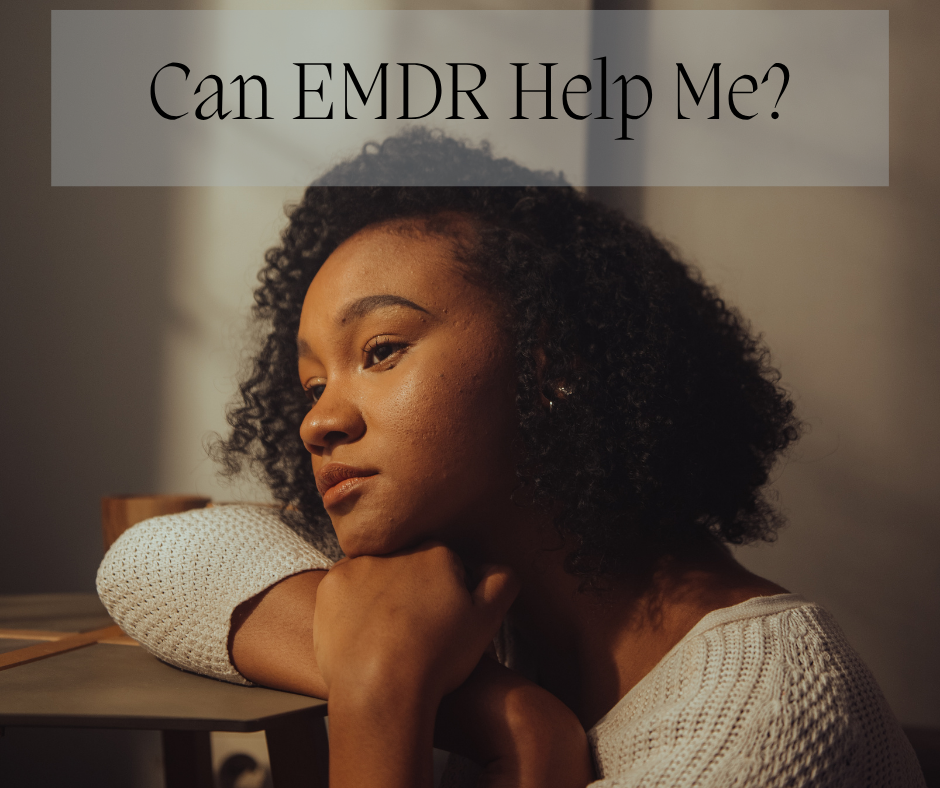
When people hear "EMDR," they usually associate it with Posttraumatic Stress Disorder, or PTSD. While this makes sense (it’s what the model was originally built for), it's not where EMDR stops.
I've used EMDR with people carrying all kinds of experiences. Some had a single hard moment. Some had years of them. Some couldn't even name what they were carrying, just that something in them felt stuck. If you're wondering whether EMDR applies to what you're dealing with, this post is for you.
The Obvious One: Trauma
EMDR was developed for trauma, and it's still one of the most researched, most effective approaches available for it. Trauma comes in many forms, and is personal to each individual. Some examples of what we call “Big T” traumas include:
Single-incident trauma, like an accident, assault, or medical emergency
Combat and first-responder trauma
Complex trauma from years of harm or instability
Childhood trauma, including neglect
Keep in mind, this isn’t anywhere close to a comprehensive list. If something happened in your past that your mind and body still react to, even years later, EMDR is built for exactly that.
Attachment Trauma: Where I Spend a Lot of My Work
This is the one I want to slow down on, because it's a large part of my practice and it's often misunderstood.
Attachment trauma often isn’t created by a single event. Sometimes it's the absence of something you needed. A parent who was inconsistent. A childhood where love felt conditional. Growing up learning that your needs were too much, or not enough. None of that has to look like the trauma people picture when they hear the word.
But it still gets stored. It still shapes how you show up in relationships now. How you read distance from a partner. How you brace for rejection before it happens. How hard it is to trust that someone will actually stay.
EMDR can help here too. Not by rewriting your history, but by helping your nervous system stop reacting to the present as if it's still the past.
Anxiety and Panic
Anxiety is also something that is often cumulative, and it’s not always trauma-related in the obvious sense. Many times it's wired in from years of feeling unsafe in ways too subtle to pinpoint exactly.
This might look like a racing mind that won’t settle, even when nothing is technically wrong. A body that stays alert and on-edge, waiting for the other shoe to drop. Panic that shows up seemingly out of nowhere, with no clear trigger you can point to.
EMDR can help target the roots of anxiety, not just manage the symptoms of it. In addition to building coping skills for the anxiety in the moment, we can also work on why your nervous system learned to stay on high alert in the first place.
Grief and Loss
Grief is, at its core, love with nowhere left to go. What EMDR can help with is when grief gets complicated, tangled up with guilt, trauma, or an especially painful way someone was lost.
When grief gets stuck like that, it stops moving the way it’s supposed to. EMDR can help process the parts that feel stuck, so the grief itself has the room to move the way it needs.
Medical Trauma
Diagnoses, procedures, hospital stays, and health scares can leave a mark, even when the outcome is favorable or can be referred to as a “success story.” If your body still tenses at doctor's offices, or certain sounds and smells send you right back to a hospital room, that’s not an overreaction. That’s your nervous system remembering, and it’s worth addressing so you don’t have to white-knuckle your way through follow-ups and future appointments.
And If You Don't See Yourself on This List
This isn't a full list of all the struggles EMDR can help a person overcome. In fact, I’ve rarely found an issue that EMDR couldn’t offer some level of relief for. If you've been carrying something for a long time and you're not sure it "counts" as trauma, that's a conversation worth having, not a reason to rule EMDR out.
You don't need to know exactly what’s wrong before reaching out. You just need to know something feels stuck.
If you're in the Orlando area and want to talk through whether EMDR could help with what you're carrying, reach out to Renewed Perspective Counseling and Consulting to schedule a consultation.